
- Home
- Maple Syrup
I. General Information
A. Scientific Name:
Acer saccharum (Sugar maple tree)
B. Alternative Names:
Maple, Liquid gold
C. Pronunciation:
MAY-puhl SUHR-uhp
II. Sourcing and Origin
A. Source:
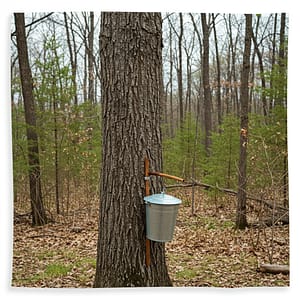
The sap of maple trees, primarily the sugar maple.
B. Geographic Origin:
Northeastern North America, including parts of Canada and the United States. Quebec, Canada, is the world's largest producer.
C. Method of Processing:
Sap is collected from trees during late winter and early spring. It is then boiled in an evaporator to remove excess water, concentrating the sugars and creating the finished syrup.
III. Properties and Uses
A. Physical Properties:
A thick, viscous liquid ranging in color from light golden to very dark. It has a sweet, distinctly earthy, and caramel-like flavor.
B. Chemical Composition:
Primarily sucrose, along with smaller amounts of fructose and glucose. It also contains trace amounts of minerals like manganese and zinc, as well as antioxidants.
C. Primary Uses:
In Food: A natural sweetener used as a topping for pancakes, waffles, and oatmeal. It's also a popular ingredient in baking, marinades, and glazes.
In Skincare: Due to its humectant properties, it's occasionally used in face masks and moisturizers to help the skin retain moisture.
In Other Products: Used to produce maple sugar, maple candy, and maple cream.
D. Key Benefits:
A natural alternative to refined sugar with a lower glycemic index and contains beneficial antioxidants.
IV. Safety and Considerations
A. Potential Allergies:
Maple syrup allergies are rare, but some individuals may have a sensitivity to it.
B. Best Practices for Use:
Look for "100% pure maple syrup" to avoid products with added corn syrup, refined sugar, or artificial flavors. Store in the refrigerator after opening.
C. Special Precautions:
While a better alternative to refined sugar, it is still a sweetener and should be consumed in moderation as part of a balanced diet.
V. Fun & Educational Facts
A. Historical Context:
Indigenous peoples of North America were the first to tap maple trees and process the sap into syrup and sugar. They taught the early European settlers the process.
B. Did You Know?
It takes about 40 gallons of maple sap to produce just one gallon of pure maple syrup.
C. DIY Recipe Idea:
Maple-glazed salmon, maple-roasted vegetables, or a simple maple vinaigrette dressing.