• Home
  • Cordyceps Mushroom
Cordyceps Mushroom

I. General Information

A. Scientific Name:

Cordyceps sinensis (now Ophiocordyceps sinensis), Cordyceps militaris

B. Alternative Names:

Caterpillar fungus, Dong Chong Xia Cao (Chinese), Tochukaso (Japanese)

C. Pronunciation:

/ˈkɔːrdɪsɛps/

II. Sourcing and Origin

A. Source:

A parasitic fungus. The wild variety grows on the larvae of insects, but the cultivated form is grown on a grain-based substrate.

B. Geographic Origin:

Native to high-altitude regions of the Himalayas and other parts of Asia.

C. Method of Processing:

The wild Cordyceps is rare and expensive. Most commercially available Cordyceps is cultivated in a lab using grain or soy, then dried and powdered or used to make extracts.

III. Properties and Uses

A. Physical Properties:

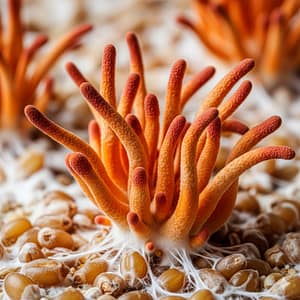
The wild form is a thin, orange-brown club-shaped fungus that grows out of a caterpillar. The cultivated form is usually found as a bright orange-colored fungus. It has a mild, earthy taste.

B. Chemical Composition:

Contains cordycepin and adenosine (support energy and endurance).

Rich in β-glucans (immune support).

Polysaccharides, sterols, peptides, and essential amino acids.

Vitamins: B-complex.

Minerals: Potassium, magnesium, zinc, selenium.

C. Primary Uses:

Skincare: Antioxidant and anti-inflammatory; may improve skin tone and reduce signs of fatigue.

Haircare: Strengthens follicles and supports scalp health through improved circulation.

Wellness: Enhances stamina, energy, and athletic performance; supports lung and kidney health; boosts immunity; may regulate blood sugar and support heart health.

Culinary: Rarely eaten as a fresh mushroom; primarily consumed in teas, soups, or supplements.

Household/Industry: Gaining popularity in sports nutrition and adaptogen-based supplements.

D. Key Benefits:

May improve oxygen utilization, increase stamina, and support the body's natural energy production.

IV. Safety and Considerations

A. Potential Allergies:

Generally considered safe, but can cause digestive upset in some individuals.

B. Best Practices for Use:

Take in a powdered or capsule form.

C. Special Precautions:

Generally safe when consumed in moderate amounts.

Possible side effects: mild digestive upset, dry mouth, or nausea.

May interact with immunosuppressant, anticoagulant, or diabetes medications.

Pregnant and breastfeeding women should avoid use unless advised by a healthcare provider.

V. Fun & Educational Facts

A. Historical Context:

B. Did You Know?

C. DIY Recipe Idea:

Cordyceps Energy Smoothie: Blend a scoop of Cordyceps powder with your favorite smoothie ingredients for a pre-workout or morning energy boost.